In the past, I occasionally tried to get AI to test novel visualization ideas in Wolfram. No matter which AI I used — Claude, ChatGPT, or Gemini — the generated code was barely usable at best.
Now, with Wolfram MCP, the AI model should be able to produce much better code. I saw 507 Mechanical Movements on Hacker News. Let’s have some fun with it.
Two simple cases from the front page are chosen.
| mm_001 | mm_005 | mm_style |
|---|---|---|
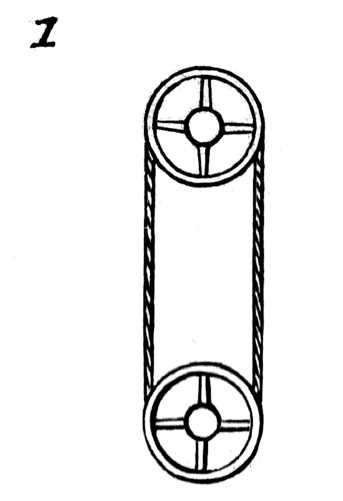 | 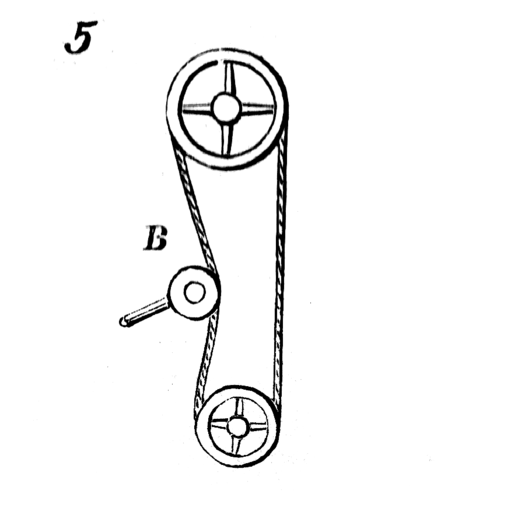 | 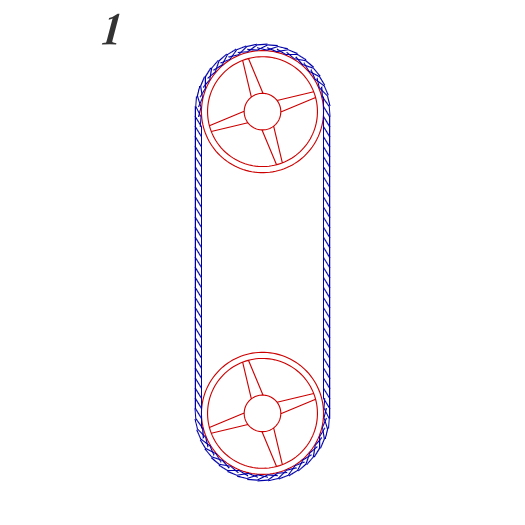 |
Inputs: the static black/white image and the description on the movement from the website. The third color image is used as the style guide.
AI: ChatGPT with GPT 5.6 Terra (medium)
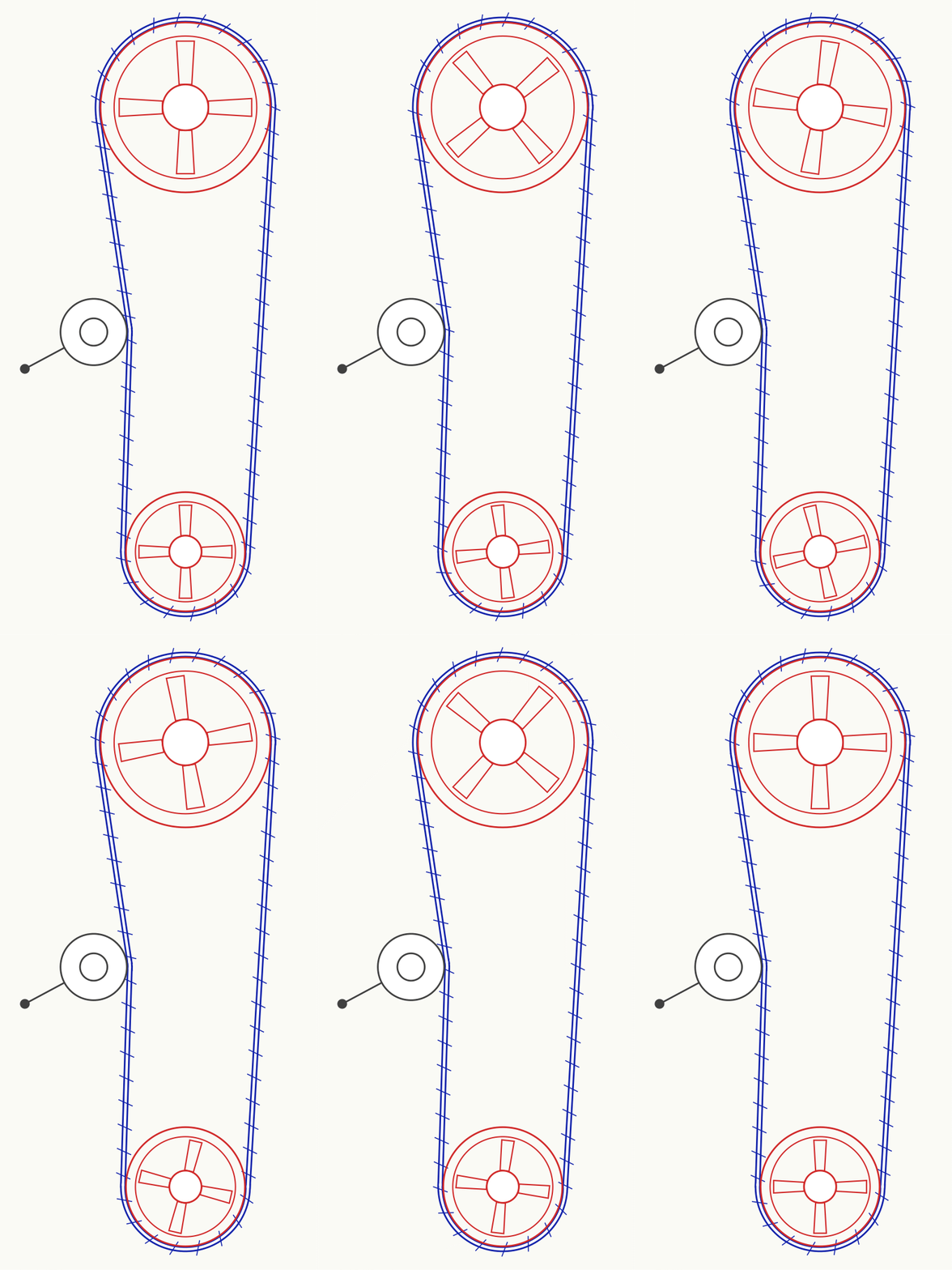
Animated results after an half hour session.
| mm_001 animation | mm_005 animation |
|---|---|
 |  |
mm_001: AI pretty much nailed it on the first shot, only missing some details of the inner spikes in the pulleys.
mm_005: this one is tougher — and not the AI’s fault. The description on the website is more complex than the animation, so it took several extra instructions to get it done.
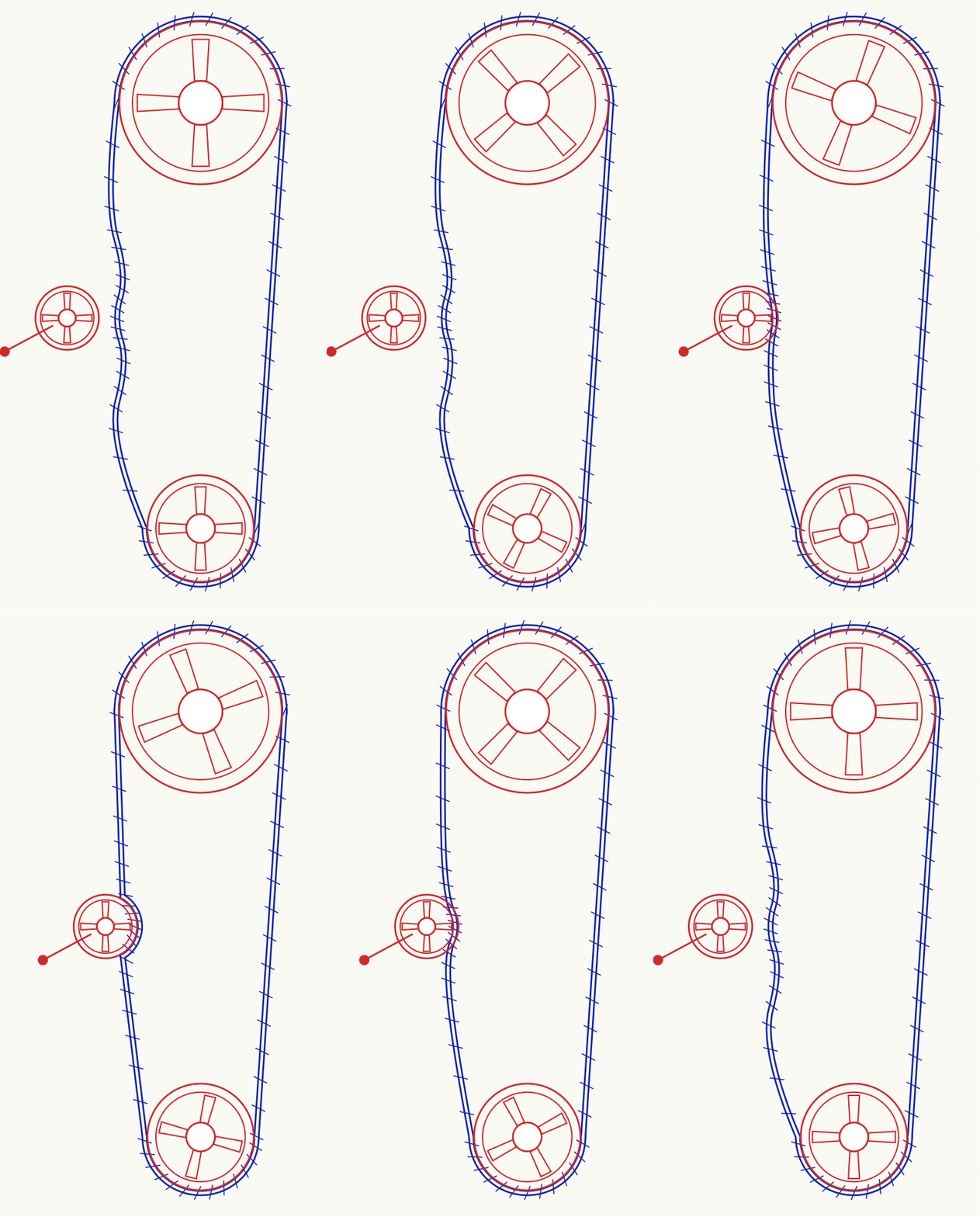
Resembles 1, with the addition of a movable tightening pulley, B. When this pulley is pressed against the band to take up the slack, the belt transmits motion from one of the larger pulleys to the other; but when it is not, the belt is so slack as not to transmit motion.
So the animation below, generated by AI, is probably closer to the original description. The belt wraps too far around part B in the end. Once you point out this issue, the AI fixes it by calculating the tangents so the rope only touches part B at its rightmost edge.
Conclusion: yes, Wolfram MCP is great — it clearly improves AI coding quality.